
AI-DRIVEN ORDER FULFILMENT
Get more orders out on time.
With the resources you have.
Datanomous matches each order to stock and real capacity, then coordinates warehouse work, vehicle departure and delivery handovers across your existing systems. Start with one bottleneck; connect the rest as you need it.
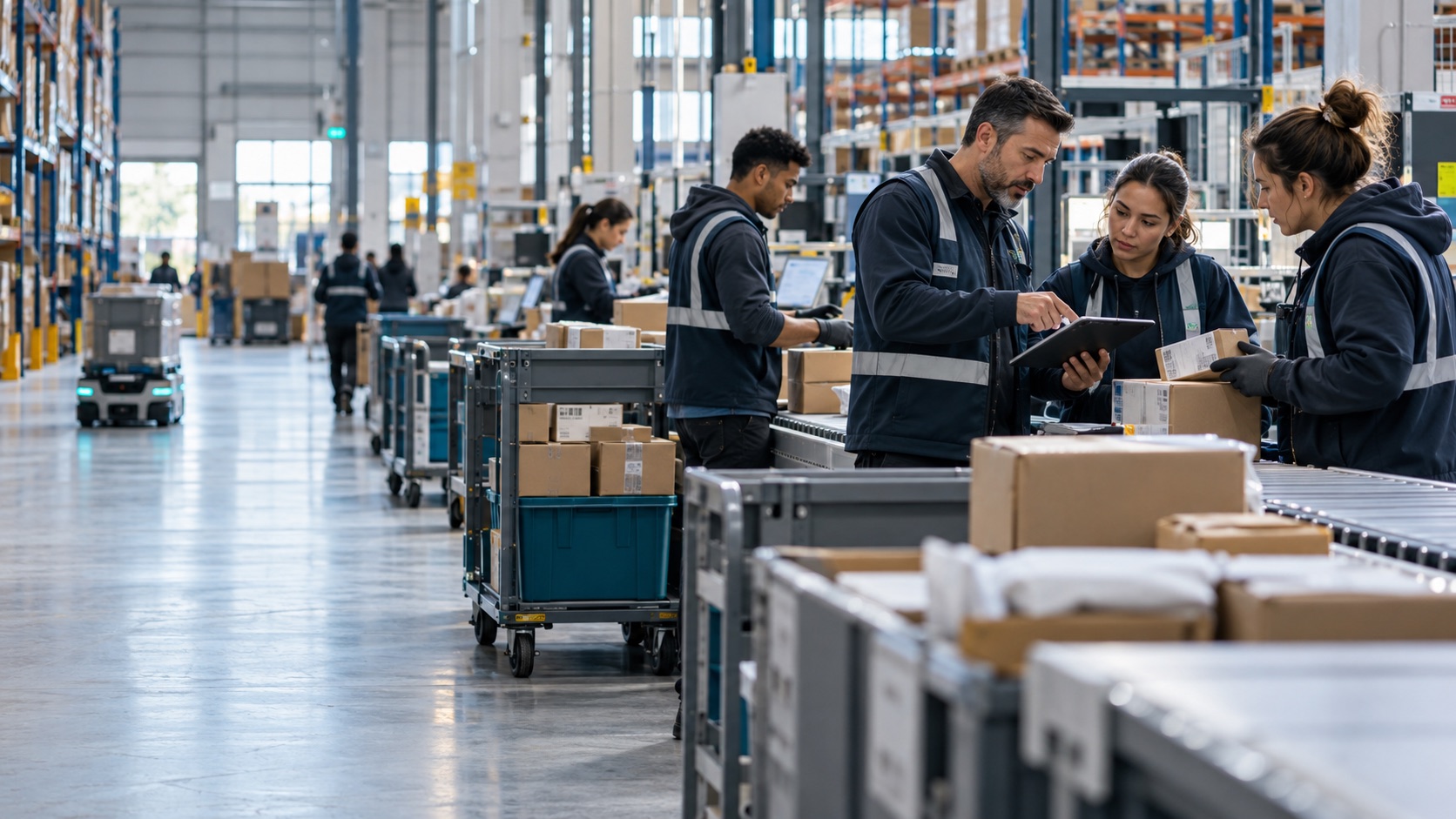
Warehouse tasks, dock and shipment link to the same order
THE PROBLEM
One order. Scattered decisions.
Sales channels, inventory, warehouse teams and the outbound dock move at different speeds. Delays get handed to the next team and often surface after the truck has left.
The order and stock diverge
An estimated fulfilment date is not calculated from usable stock and warehouse capacity.
The picking queue grows
Fixed waves miss urgent orders and emerging packing bottlenecks.
Dispatch has to wait
A packed order does not meet the right vehicle and dock in time.
ESTIMATED FULFILMENT DATE
Give every order an estimated fulfilment date.
Datanomous generates an estimated date when the order can be fulfilled, giving sales and operations one shared reference.
ONE CONNECTED OPERATING VIEW
See the order, the constraint and the next move.
An illustrative view of how Datanomous connects warehouse work to the departure and keeps a manager focused on the exception that needs a decision.

People, equipment and vehicles follow the same order plan.
ILLUSTRATIVE WORKFLOW
Order 2041
Carrier cut-off · 16:30
- Order confirmed
- Picking in progress
- Packing at risk
- Dock booked
The next picking wave would reach packing before a station is free.
Proposed next move
Release a smaller wave and move a trained associate to packing for the next hour.
Manager reviews the change before the work plan is updated.
ERP · WMS · TMS · robotic systems, where present
HOW OUR SCOPE IS DIFFERENT
Robots speed up warehouse tasks. Who keeps the whole order on track?
Your WMS and robots may already plan and execute picking well. Datanomous adds value when order priorities, packing capacity, vehicle departure, delivery proof and invoice checks still need manual coordination between systems.
- Order & promise
Check the request against stock and capacity.
- Warehouse work
Release and rebalance picking, replenishment and packing.
- Vehicle & dock
Match the ready load to the departure plan.
- Road delivery
Follow status, ETA and signed proof.
- Invoice check
Flag quantity and document differences.
Existing ERP, WMS, TMS and robotic systems keep their roles. One manager oversees exceptions; completed work updates the next decision. Start where a handover still causes delay.
HOW IT WORKS
One decision chain from order to dock.
Each step sees the next step's actual capacity. When order priority changes, picking, packing and dock plans update together.
Capture & confirm
Connect order records from existing channels in one flow.
Estimate the date
Generate an estimated fulfilment date for the order.
Pick
Adjust waves and tasks to cut-offs and floor load.
Pack
Watch station load and rebalance before a queue becomes a delay.
Hand over to dispatch
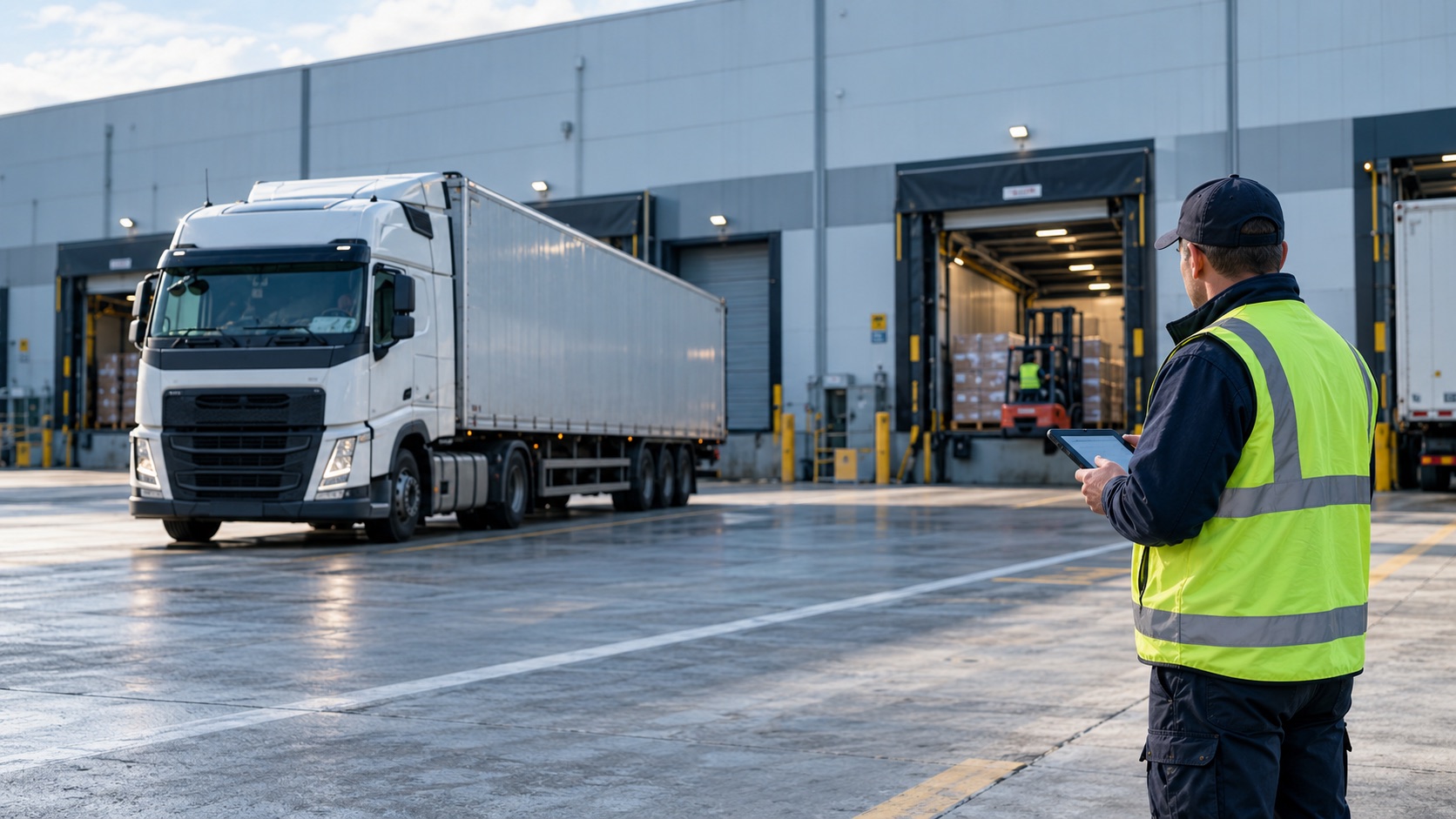
Link existing carrier and shipment records to the order; match the ready load to vehicle and dock.
ORDER FULFILLMENT SOLUTIONS
Modules connected to the order flow.
Operational planning
Bring demand and warehouse capacity into one plan.
Explore solutionWarehouse automation · WALI WES
Balance micro-waves and picking tasks; reveal bottlenecks.
Explore solutionYard and dock automation
Match vehicles, docks and ready loads.
Explore solutionDelivery and reconciliation automation
Link shipment, signed proof and invoice differences to the job.
Explore solutionAUTOMATE IN STAGES
Start with the work that hurts. Connect the rest as you grow.
You do not have to rebuild fulfilment in one move. Target a measurable loss first, then connect the handovers that follow it.
Automate one bottleneck
Estimate the order date from real capacity or use WALI WES to release picking at the right time. Keep your existing WMS and worker screens.
Coordinate warehouse and dispatch
Carry order priority into picking, packing, ready loads, vehicles and docks. Align people, robots and equipment around the current job.
Extend through delivery and reconciliation
Link shipment and signed delivery proof to the order, then route quantity and invoice differences for review. Feed the result into the next plan.
Each stage can work on its own. Connected, they form one operating flow from order to invoice check.
FULFILLMENT TO DISTRIBUTION
What happens after carrier handover?
Order Fulfillment links the estimated date and warehouse work to dispatch. Delivery automation then tracks the journey, ETA, signed proof and invoice checks.
MEASURABLE IMPACT
Shorter order cycles. More reliable dispatch.
Pilot target: up to 30% more orders dispatched on time from existing capacity where coordination is the bottleneck. Actual results are measured against your own baseline.
Your existing systems work as one flow.
Your WMS, ERP, sales channels and transport systems keep owning the records. Datanomous adds a decision and coordination layer between them, with approval boundaries you set.
CONNECTED OPERATION
One order across the warehouse handoffs.
Estimate when the order can be fulfilled, then connect it to the modules that execute warehouse and delivery work.
Let's measure the loss in your order flow.
Find the handoff costing you time and margin, then identify the first automation opportunity.
Find the order loss