
WALI · AI-ASSISTED WAREHOUSE EXECUTION
Your warehouse workload moves.
Your release plan should too.
WALI WES reads open orders alongside the people and stations actually working. It sizes micro-waves to real task speed and recommends practical support to supervisors when a queue starts to grow.
Works with the existing WMS and RF flow. Supervisors approve floor resource changes; results are measured in a pilot.
RECOMMENDED MOVE
Reduce next micro-wave · move available support to packing
THE PROBLEM
The bottleneck moves during the shift.
Work changes
The order mix and actual picking speed move away from the morning plan.
Capacity stays in the wrong place
Packing queues grow while suitable people may be idle elsewhere.
Local choices slow the flow
The first task on a terminal may miss a dispatch deadline or packing constraint.
THE WES DECISION LOOP
Choose the work. Size the wave. Learn from the result.
WALI groups ready orders and order lines from the WMS into micro-waves using dispatch cutoffs, stock, nearby locations, crew and packing capacity. A released wave becomes picking tasks in the WMS and reaches existing RF terminals. Actual duration and queues update the next wave decision.
ILLUSTRATIVE WALI DECISION BOARD
See the decision, not just the dashboard.
A sample shift shows how WALI turns live work into the next operational move. Figures are illustrative, not measured customer results.
Dispatch cutoff
17:00
Orders ready
62
Available pickers
10
Packing stations
2
68%
84%
48%
Release a smaller micro-wave
Release 36 ready orders now. Hold 26 for the next decision so picking does not overload packing before the cutoff.
WHY THIS MOVE
Grouped by common SKUs, nearby locations and dispatch deadline
RELEASE CHOICE
All 62 now
Packing queue risk
36 now · 26 later
Sized to current packing capacity
WHAT CHANGES IN THE FLOW
- 36 orders move into the WMS task queue
- 26 remain ready for the next release
- Packing capacity shapes the wave size
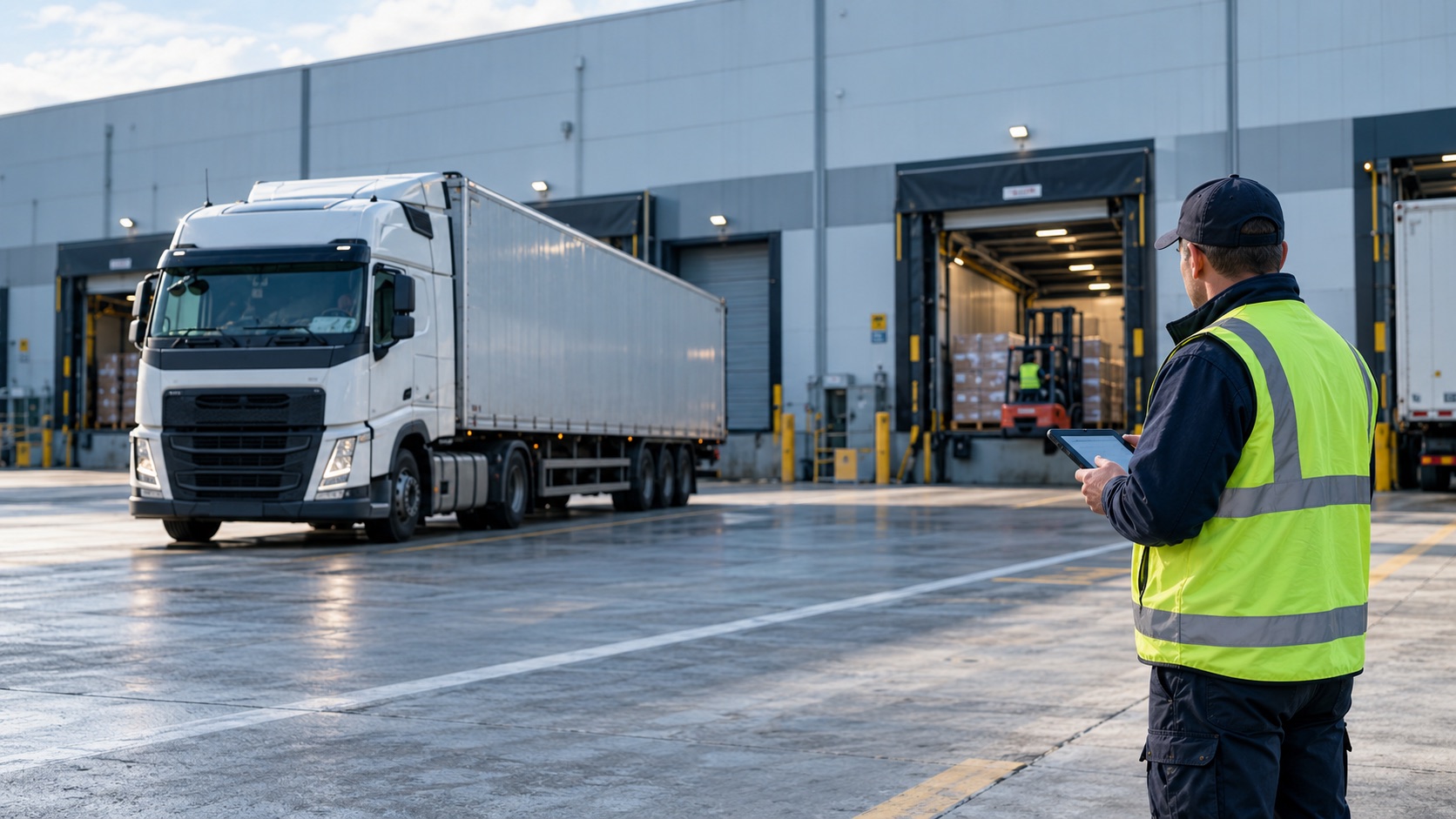
When connected, yard departure status can inform the deadline. Yard scheduling remains in the Yard module.
Prioritise
Deadline, common SKU, location and remaining work
Release a micro-wave
Match free pickers and packing capacity
Recommend support
Suggest a qualified worker who has finished a task
Recalculate
Use actual WMS/RF speed and waiting time
ONE OPERATIONAL VIEW
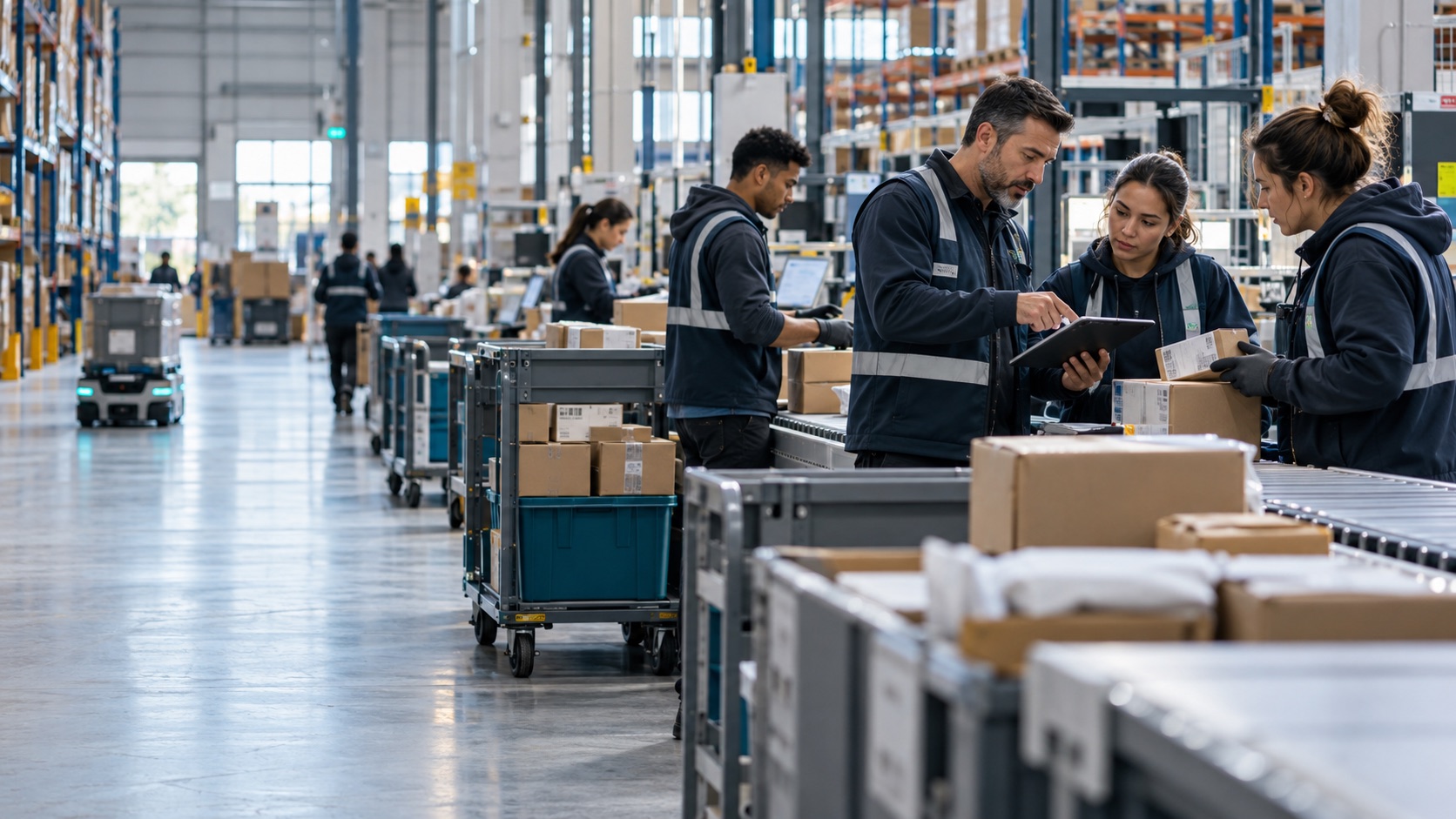
People and automation in the same flow.
Shifts, skills, availability and each critical station's minimum crew are considered together. When connected, AMR/AGV location and battery, robot-cell capacity and conveyor blockages join the flow. Supervisors approve temporary people moves.
SAMPLE FLOOR DECISION
10 pickers, 2 packers, 1 loader. Which work should be released now?
WALI weighs common SKUs and nearby locations against the dispatch promise, available crew and packing load. If packing is full, it reduces the next wave. It suggests a qualified worker who has completed a task for temporary support, while protecting minimum staffing at critical stations.
FIELD RESULTS REPORTED IN THE WES DECK
Faster flow. Less waiting.
Picking time
Wait before packing
First pick to last pack
Source: Datanomous_WES.pdf, 'Field Results'. These are reported outcomes, not a guarantee for every site. We compare baseline and pilot periods with similar order mix and staffing to measure your result.
The WMS records. WES manages the flow.
WALI adds a decision layer to the existing WMS/RF flow: it calculates what to release and when, estimates completion, and passes approved decisions to a supported WMS process. Operators keep using their terminals; robots continue physical work through their own systems. Connected yard and shipment status can inform priority too. If your existing software already handles these handovers with little manual work, the extra layer may add limited value.
CONNECTED OPERATION
Connect warehouse work to the order.
WES runs floor work alongside your WMS while order, dock and delivery records stay linked.

Measure lost time. Prove WALI in a pilot.
Connect order, task and shift data to measure waiting and idle capacity. Then compare time, labour hours and warehouse output in a limited live pilot with similar work.
Review your warehouse flow